
Cybersecurity refers to the practice of protecting computers, networks, applications, and data from unauthorized access, theft, damage, or disruption. In today’s U.S. digital ecosystem, it’s a critical field affecting individuals, businesses, and government agencies.
Definition and Core Concept
Cybersecurity involves defense strategies, technology solutions, and policies designed to safeguard digital systems. This includes protection against:
-
Malware – Software designed to damage or compromise devices.
-
Phishing attacks – Fraudulent messages targeting sensitive information.
-
Ransomware – Malicious software that locks systems until a ransom is paid.
-
Insider threats – Employees or contractors who intentionally or accidentally compromise security.
Importance in the U.S. Context
In the United States, cybercrime costs organizations billions annually, with attacks targeting healthcare, finance, and government infrastructure. Cybersecurity ensures:
-
National security – Protecting critical infrastructure and sensitive government data.
-
Business continuity – Minimizing downtime and data loss for U.S. enterprises.
-
Consumer protection – Safeguarding personal data like Social Security numbers, financial details, and medical records.
Key Components of Cybersecurity
-
Network security – Protects internal and external networks from attacks.
-
Application security – Ensures software is free from vulnerabilities.
-
Endpoint security – Safeguards devices such as laptops, phones, and servers.
-
Data security – Encrypts sensitive data and controls access.
-
Cloud security – Protects data and apps in cloud environments.
Cybersecurity is no longer optional. For U.S. businesses and individuals, implementing robust cyber defenses is essential to mitigate evolving threats and maintain trust in the digital economy.
Cybersecurity Jobs

Cybersecurity jobs have become some of the most in-demand roles in the U.S., driven by the increasing sophistication of cyber threats, digital transformation of businesses, and the growing regulatory landscape. From large corporations to small startups, every organization now requires skilled cybersecurity professionals to protect digital assets, ensure compliance, and maintain operational resilience.
The U.S. is facing a significant cybersecurity workforce shortage, with estimates suggesting a gap of nearly 500,000 professionals in the sector. This shortage has made cybersecurity jobs highly lucrative, offering competitive salaries, career advancement opportunities, and the chance to make a real-world impact in protecting sensitive information and critical infrastructure.
Why Cybersecurity Jobs Are in High Demand
-
Rise in Cyber Threats: The frequency and complexity of cyberattacks are increasing daily. Ransomware, phishing, supply chain attacks, and state-sponsored cyber intrusions have heightened the need for trained professionals who can anticipate and mitigate threats.
-
Digital Transformation: Organizations are rapidly moving to cloud environments, hybrid networks, and remote work models. Each digital touchpoint expands the attack surface, requiring more cybersecurity talent to secure systems and data.
-
Regulatory Compliance: U.S. businesses face stringent regulations, including HIPAA for healthcare, GLBA for finance, OWASP XSS guide, and NIST guidelines for federal contracts. Compliance requires skilled personnel to ensure adherence, conduct audits, and implement security frameworks.
-
Critical Infrastructure Protection: From energy grids to transportation networks, the cybersecurity of national infrastructure is a top priority. Professionals in this field safeguard systems that are vital to the economy and public safety.
-
High Compensation and Growth: Salaries for cybersecurity roles are among the highest in the tech sector. Certified professionals in advanced roles can earn well over $150,000 annually, with additional incentives for leadership positions or specialized skills.
Popular Cybersecurity Job Roles in the U.S.
1. Security Analyst
A security analyst is responsible for monitoring networks, analyzing logs, and identifying vulnerabilities. Analysts act as the first line of defense against cyber threats. Their duties include:
-
Continuous monitoring of systems and networks for anomalies.
-
Investigating security breaches and implementing mitigation strategies.
-
Creating detailed reports for management.
-
Collaborating with IT teams to implement best practices.
Security analysts in the U.S. earn between $70,000 and $110,000 per year, depending on experience and certifications.
2. Penetration Tester / Ethical Hacker
Penetration testers, also known as ethical hackers, simulate cyberattacks to identify system vulnerabilities before malicious actors exploit them. Responsibilities include:
-
Conducting vulnerability assessments on networks, web applications, and systems.
-
Writing reports with recommended remediation steps.
-
Testing the effectiveness of security controls.
Ethical hackers often hold certifications like CEH (Certified Ethical Hacker) or OSCP (Offensive Security Certified Professional) and can earn $85,000 to $130,000 annually in the U.S.
3. Security Engineer
Security engineers design, implement, and maintain secure systems to protect organizations from cyber threats. Key responsibilities include:
-
Building and configuring firewalls, VPNs, and intrusion detection systems.
-
Developing security policies and protocols.
-
Integrating security into software and network architecture.
-
Collaborating with IT teams to ensure secure deployments.
Security engineers are often senior-level professionals earning $90,000 to $140,000 per year.
4. Incident Responder
Incident responders specialize in reacting to security breaches, containing attacks, and restoring normal operations. Their work involves:
-
Quickly analyzing and responding to cyber incidents.
-
Coordinating with internal teams and external agencies.
-
Conducting post-incident investigations and reporting.
-
Recommending preventive measures for future threats.
Salaries for incident responders typically range from $80,000 to $120,000 annually in the U.S.
5. Chief Information Security Officer (CISO)
A CISO leads an organization’s cybersecurity strategy, overseeing teams, policies, and compliance initiatives. Responsibilities include:
-
Developing and enforcing cybersecurity policies.
-
Aligning security strategy with business objectives.
-
Managing budgets and risk assessments.
-
Communicating with executives and boards on security posture.
CISOs in the U.S. are among the highest-paid cybersecurity professionals, with salaries often exceeding $150,000 to $250,000 per year, depending on company size and industry.
6. Cloud Security Specialist
With the rapid adoption of cloud computing, cloud security specialists ensure that cloud environments are secure. Responsibilities include:
-
Implementing cloud security policies and access controls.
-
Monitoring cloud workloads for anomalies.
-
Conducting risk assessments for cloud-based applications.
-
Integrating security tools into cloud infrastructure.
Cloud security specialists often work with platforms like AWS, Azure, and Google Cloud, earning $100,000 to $150,000 annually.
7. Digital Forensics Expert
Digital forensics experts investigate cybercrimes and recover digital evidence for legal or corporate purposes. Their duties include:
-
Examining compromised systems to identify attack vectors.
-
Preserving digital evidence for investigations and legal proceedings.
-
Reporting findings to management or law enforcement.
-
Recommending preventive measures.
Forensic analysts in the U.S. typically earn $75,000 to $120,000 per year, depending on specialization and experience.
Skills Required for Cybersecurity Jobs
-
Technical Proficiency: Knowledge of networking, operating systems, firewalls, and encryption.
-
Analytical Thinking: Ability to interpret complex data and detect unusual patterns.
-
Programming Skills: Familiarity with languages like Python, Java, C++, or scripting for automation.
-
Communication Skills: Clearly explaining threats and mitigation strategies to non-technical stakeholders.
-
Certifications: Industry-recognized certifications enhance credibility and career prospects (e.g., CISSP, CEH, CompTIA Security+, CISM).
Education and Career Pathways
Most cybersecurity professionals in the U.S. have degrees in computer science, information technology, or cybersecurity, though relevant experience and certifications can also lead to opportunities. Entry-level roles often lead to advanced positions, such as security engineer or incident response manager, and eventually to executive roles like CISO. Continuous learning and staying updated on emerging threats and technologies are critical for long-term success.
Emerging Trends in Cybersecurity Employment
-
Remote and Hybrid Roles: Remote cybersecurity jobs are increasingly common, providing flexibility and access to global talent.
-
AI and Automation: Knowledge of AI-powered threat detection, machine learning, and automation tools is becoming essential.
-
Specialization: Roles in cloud security, IoT security, blockchain security, and threat intelligence are growing rapidly.
-
Public-Private Collaboration: Government initiatives, such as CISA programs, create opportunities for cybersecurity professionals in critical infrastructure and defense sectors.
AI Cybersecurity: Transforming Threat Detection and Defense
Artificial Intelligence (AI) has emerged as a game-changer in the field of cybersecurity. In the U.S., where digital systems underpin critical infrastructure, financial institutions, healthcare networks, and government operations, AI-powered cybersecurity solutions are essential for staying ahead of increasingly sophisticated cyber threats. By leveraging AI, organizations can predict, detect, and respond to attacks more efficiently than ever before.
The Role of AI in Cybersecurity
AI cybersecurity refers to the integration of artificial intelligence, machine learning, and advanced analytics into security operations. Traditional security tools rely on static rules, signatures, and manual monitoring, which can leave gaps in detecting complex attacks. AI enhances cybersecurity by:
-
Automating Threat Detection: AI algorithms continuously monitor networks and endpoints, identifying patterns indicative of malware, ransomware, or phishing attacks.
-
Predictive Analysis: Machine learning models analyze historical data to anticipate potential attack vectors before they occur.
-
Rapid Response: AI-driven systems can automatically isolate compromised systems, block malicious activity, and trigger alerts in real-time.
-
Reducing False Positives: Advanced algorithms differentiate between genuine threats and normal activity, allowing human analysts to focus on high-priority incidents.
AI in Action: Applications for U.S. Organizations
Threat Intelligence and Monitoring
AI tools aggregate and analyze massive amounts of data from multiple sources, including network logs, user behavior, and threat feeds. This provides cybersecurity teams with actionable insights and early warnings about emerging threats.
Endpoint and Cloud Security
AI cybersecurity solutions protect endpoints, cloud environments, and hybrid infrastructures by detecting abnormal behavior, enforcing security policies, and identifying vulnerabilities before attackers exploit them.
Phishing Detection
Machine learning algorithms examine email content, URLs, and sender behavior to identify phishing attempts. By continuously learning from new attack patterns, AI improves detection rates over time.
Behavioral Analytics
AI monitors user behavior and device activity to identify anomalies, such as unusual login times, high-volume data transfers, or unauthorized access attempts. This proactive monitoring helps prevent insider threats and account compromises.
Advantages of AI Cybersecurity
-
Scalability: AI systems can analyze vast datasets at speeds unattainable by humans, enabling large organizations to protect extensive networks efficiently.
-
Proactive Defense: Predictive models help organizations anticipate and mitigate attacks before damage occurs.
-
Cost Efficiency: Automation reduces reliance on large security teams for routine monitoring and response.
-
Continuous Learning: AI algorithms improve over time, adapting to new attack techniques and evolving threats.
-
Enhanced Decision-Making: Provides security analysts with actionable insights, allowing faster and more informed responses.
Challenges and Considerations
While AI offers significant benefits, it is not without challenges:
-
Adversarial Attacks: Cybercriminals are also leveraging AI to develop sophisticated malware and evade detection.
-
Data Quality: AI relies on high-quality, diverse datasets to function effectively. Poor data can result in inaccurate predictions.
-
Integration Complexity: Incorporating AI into existing cybersecurity infrastructure requires expertise and careful planning.
-
Ethical Concerns: Automated decision-making raises questions about bias, transparency, and accountability.
AI Cybersecurity in the U.S. Context
In the U.S., organizations face a complex regulatory and threat landscape. Federal guidelines, including NIST frameworks, require proactive security measures. AI cybersecurity aligns with these regulations by providing continuous monitoring, risk assessment, and automated reporting.
Large enterprises, particularly in sectors such as finance, healthcare, and government, are adopting AI to maintain compliance, protect sensitive data, and safeguard operational continuity. Additionally, AI tools are increasingly used by small and medium-sized businesses to gain enterprise-level security without the need for extensive in-house teams.
Future Trends in AI Cybersecurity
-
Autonomous Security Operations: Fully AI-driven security operations centers (SOCs) capable of detecting, analyzing, and mitigating threats with minimal human intervention.
-
Integration with Threat Intelligence Platforms: AI will combine with global threat intelligence to predict sophisticated attacks, including nation-state cyber campaigns.
-
Quantum-Safe Security: Preparing AI cybersecurity systems to address threats posed by future quantum computing capabilities.
-
AI-Enhanced Incident Response: Automation of post-breach analysis, threat containment, and recovery processes.
-
Behavioral and Identity-Based Security: AI will increasingly focus on identifying behavioral anomalies and securing identity access management (IAM).
Career Opportunities in AI Cybersecurity
The rise of AI in cybersecurity is creating new specialized roles in the U.S., including:
-
AI Security Engineer: Designs and implements AI-powered defense systems.
-
Machine Learning Security Analyst: Develops algorithms to detect patterns of malicious behavior.
-
Threat Intelligence Specialist: Uses AI to predict and analyze cyber threats in real-time.
-
Cybersecurity Data Scientist: Focuses on collecting and analyzing data to train predictive models.
Salaries for AI-focused cybersecurity roles are among the highest in the industry, often exceeding $120,000 to $180,000 per year, reflecting the advanced skills required.
Cybersecurity Salary: Understanding Pay Scales, Trends, and Career Potential in the U.S.
The field of cybersecurity is not only one of the most critical for protecting digital infrastructure but also among the most financially rewarding. In the United States, cybersecurity professionals command competitive salaries due to high demand, a shortage of skilled workers, and the increasing complexity of cyber threats. Understanding cybersecurity salary trends is essential for professionals planning their career paths and for organizations aiming to attract top talent.
Factors Affecting Cybersecurity Salaries
Several factors influence cybersecurity salaries in the U.S., including:
-
Role and Specialization: Different positions carry different responsibilities and skill requirements. For instance, a cybersecurity analyst may earn significantly less than a cloud security engineer or a Chief Information Security Officer (CISO).
-
Experience Level: Entry-level professionals earn less, while those with years of experience, advanced skills, and certifications can command six-figure salaries.
-
Industry: Financial services, healthcare, government, and technology sectors typically offer higher compensation due to the sensitivity of data and regulatory demands.
-
Location: Salaries vary by region. Metropolitan areas such as San Francisco, New York, Washington D.C., and Boston often offer higher pay due to cost of living and concentration of high-demand employers.
-
Certifications and Education: Professionals with certifications like CISSP, CEH, CISM, or CompTIA Security+ often earn higher salaries, as certifications validate expertise and reduce risk for employers.
Average Cybersecurity Salaries by Role in the U.S.
Security Analyst
-
Salary Range: $70,000 – $110,000 per year
Security analysts monitor systems, detect threats, and respond to incidents. Entry-level roles offer competitive pay, while senior analysts with specialized skills can earn more.
Security Engineer
-
Salary Range: $90,000 – $140,000 per year
Security engineers design and implement secure systems. Their salaries reflect technical expertise in network security, cloud security, and risk management.
Penetration Tester / Ethical Hacker
-
Salary Range: $85,000 – $130,000 per year
Ethical hackers conduct simulated attacks to identify vulnerabilities. Their specialized skills and certifications command premium compensation.
Incident Responder
-
Salary Range: $80,000 – $120,000 per year
Incident responders handle breaches, mitigate threats, and restore operations. Their critical role in crisis management is reflected in salary levels.
Cloud Security Specialist
-
Salary Range: $100,000 – $150,000 per year
With the rapid adoption of cloud computing, cloud security specialists protect hybrid and SaaS environments, often earning higher salaries due to the technical complexity involved.
Chief Information Security Officer (CISO)
-
Salary Range: $150,000 – $250,000+ per year
CISOs oversee an organization’s entire cybersecurity strategy. Their leadership and accountability for safeguarding digital assets justify top-tier compensation.
Digital Forensics Expert
-
Salary Range: $75,000 – $120,000 per year
These professionals investigate cybercrime, preserve evidence, and support legal proceedings, often earning more in federal or corporate environments.
The Impact of Certifications on Salary
Certifications have a direct impact on cybersecurity salary potential in the U.S. Certified professionals demonstrate expertise, reduce employer risk, and are often prioritized for high-responsibility roles. Examples include:
-
CISSP: Senior-level certification, often increasing earning potential by 20-30%.
-
CEH: Specialized ethical hacking certification, boosting salaries for penetration testers.
-
CISM: Focuses on governance and risk management, ideal for leadership roles like IT manager or CISO.
-
CompTIA Security+: Entry-level certification that enhances employability and provides a salary boost for junior roles.
Employers in competitive industries are willing to pay a premium for certified professionals who can implement effective security measures and respond to sophisticated threats.
Emerging Trends Affecting Cybersecurity Salaries
-
AI and Automation Skills: Professionals skilled in AI-driven cybersecurity tools, machine learning, and automation see higher demand and compensation.
-
Cloud Security Expertise: As businesses migrate to cloud environments, specialized skills in AWS, Azure, Microsoft Security, and Google Cloud increase earning potential.
-
Compliance and Regulatory Knowledge: Familiarity with HIPAA, NIST, and CMMC frameworks enhances value, especially in finance, healthcare, and government sectors.
-
Remote Work: Remote cybersecurity roles allow professionals to earn competitive salaries without relocation, expanding opportunities for talent across the U.S.
-
Contract and Consulting Opportunities: Freelance cybersecurity consultants and contractors can earn significantly higher rates, depending on project complexity and expertise.
Salary Growth Potential Over a Career
Cybersecurity careers offer strong salary growth potential. Entry-level professionals may start in the $70,000 range, but with 5–10 years of experience and certifications, mid-level roles can reach $120,000–$150,000. Senior-level roles, including security architects, directors, and CISOs, can exceed $200,000 per year. In addition, bonuses, profit-sharing, and stock options in technology companies can further increase total compensation.
Geographic Insights for Cybersecurity Salaries
Salaries vary by region in the U.S., reflecting cost of living, industry concentration, and demand:
-
San Francisco / Silicon Valley: $120,000 – $180,000 average, due to tech hub demand.
-
New York / New Jersey: $110,000 – $170,000, with strong finance and media sectors.
-
Washington D.C.: $100,000 – $160,000, driven by government and defense contractors.
-
Austin, TX: $95,000 – $150,000, growing tech scene and corporate hubs.
-
Remote Opportunities: Salaries are competitive, often matching metro area pay depending on skillset.
Cybersecurity Services
In today’s digital-first economy, cybersecurity services have become essential for organizations of every size in the U.S. These services go beyond simply installing antivirus software—they provide comprehensive protection against evolving threats, tailored to the unique needs of businesses, government agencies, and individuals.
Cybersecurity service providers offer a wide range of solutions. Managed security services (MSSPs) monitor networks 24/7, detecting and responding to suspicious activity in real time. Incident response services help organizations quickly contain and recover from breaches, minimizing downtime and financial loss. Other popular services include penetration testing, where ethical hackers simulate attacks to find vulnerabilities, and compliance support, ensuring businesses meet U.S. regulations like HIPAA, PCI DSS, and NIST standards.
For small businesses, outsourcing cybersecurity services is often more cost-effective than maintaining an in-house security team. Meanwhile, larger enterprises may rely on advanced services such as threat intelligence feeds, cloud security management, and zero trust architecture implementation.
The U.S. market for cybersecurity services continues to grow as threats become more sophisticated and businesses prioritize digital resilience. By partnering with the right provider, organizations can not only defend against cyberattacks but also build customer trust, protect sensitive data, and stay ahead of compliance requirements. In short, cybersecurity services are no longer optional—they’re a critical investment for long-term success.
Cybersecurity Company
A cybersecurity company plays a critical role in defending businesses, governments, and individuals against the growing wave of digital threats. In the U.S., these companies range from global giants like Palo Alto Networks, CrowdStrike, and Fortinet to smaller niche firms specializing in areas such as cloud security, compliance, or penetration testing.
Cybersecurity companies provide more than just software—they deliver end-to-end protection. This often includes managed detection and response (MDR), incident response services, consulting, and customized security strategies tailored to an organization’s industry and risk profile. For example, a healthcare provider may work with a cybersecurity company to secure electronic health records and maintain HIPAA compliance, while a financial institution may prioritize fraud detection and anti-phishing defenses.
What sets the best U.S. cybersecurity companies apart is their ability to adapt quickly. As new threats like ransomware-as-a-service (RaaS) and AI-powered attacks emerge, these firms develop advanced tools to stay ahead of attackers. Many also invest heavily in threat intelligence research, Trend Micro research, sharing findings with clients and even government agencies to improve national cybersecurity resilience.
For businesses, choosing the right cybersecurity company is a strategic decision. It’s not just about buying protection—it’s about building a partnership that enhances trust, safeguards sensitive data, and ensures compliance with regulations. In an era where one breach can devastate reputation and finances, having a strong cybersecurity company on your side is no longer optional, but essential.
Cybersecurity Degree

Earning a cybersecurity degree has become one of the most reliable ways to break into the field and secure high-paying, stable jobs in the U.S. With cyber threats escalating, universities and colleges nationwide now offer specialized undergraduate and graduate programs designed to equip students with both technical skills and strategic knowledge.
A typical cybersecurity degree program covers areas such as network security, ethical hacking, digital forensics, risk management, and cryptography. Many U.S. schools also integrate hands-on labs, internships, and real-world simulations to ensure students can apply what they learn in practice. Programs often emphasize compliance and law as well, preparing graduates to work within regulatory frameworks like HIPAA, GDPR, or the NIST Cybersecurity Framework.
For students, a degree offers a competitive edge in the job market. While some cybersecurity professionals enter the field through certifications or self-study, employers—especially large corporations and government agencies—often prefer candidates with formal education. Schools such as the University of Maryland, Carnegie Mellon, and NYU are highly regarded for their cybersecurity programs.
Beyond employability, a cybersecurity degree signals credibility and long-term commitment to the field. Graduates can pursue roles such as security analyst, penetration tester, or even move into leadership tracks as security architects or CISOs. In short, a degree not only provides technical skills but also opens doors to career advancement in a rapidly growing U.S. industry.
Cybersecurity Analyst
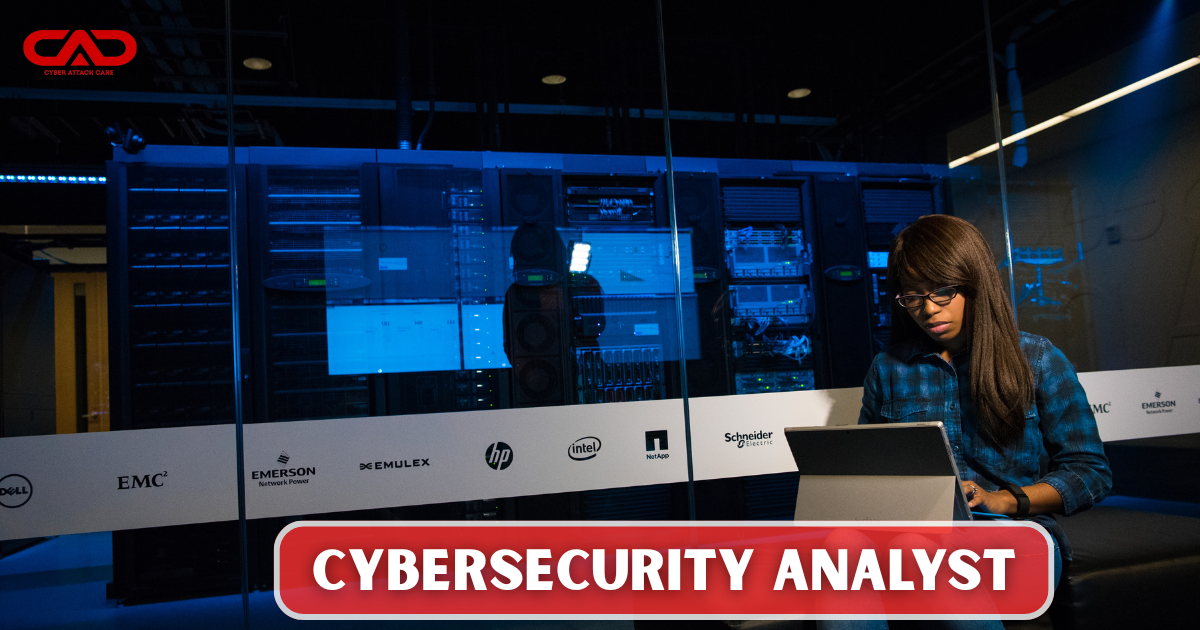
A cybersecurity analyst is one of the most in-demand roles in the U.S. job market today. These professionals serve as the frontline defenders of an organization’s digital infrastructure, continuously monitoring systems for suspicious activity, investigating alerts, and implementing measures to prevent attacks.
On a daily basis, cybersecurity analysts review logs, firewalls, intrusion detection systems, and endpoint tools to spot irregular patterns that might indicate a threat. They also perform vulnerability assessments, ensuring that software and hardware are updated and patched against known exploits. When an incident occurs, analysts are among the first to respond—identifying the root cause, containing the breach, and recommending improvements to prevent future attacks.
To succeed, analysts need both technical and soft skills. Knowledge of SIEM tools (like Splunk), network protocols, malware analysis, and scripting languages is crucial, but so is the ability to communicate findings clearly to non-technical stakeholders. U.S. companies value cybersecurity analysts who can translate complex threats into actionable business decisions.
The career path for analysts is promising. Many move on to become senior analysts, security engineers, or incident response managers. With salaries often starting at $80,000–$100,000 annually, the role provides strong financial rewards along with a sense of purpose: protecting people, businesses, and critical infrastructure from harm.
Cybersecurity Software

Cybersecurity software is the backbone of digital defense, providing the tools that protect individuals and organizations from constantly evolving threats. In the U.S., businesses and consumers alike rely on a wide range of applications to secure sensitive data, maintain privacy, and ensure compliance with regulations.
The most common types of cybersecurity software include antivirus programs, firewalls, endpoint protection suites, intrusion detection systems (IDS), and encryption tools. Modern solutions go far beyond basic virus scans. For example, next-generation antivirus (NGAV) uses behavioral analysis to identify never-before-seen malware, while security information and event management (SIEM) platforms centralize monitoring to detect anomalies across entire networks.
Cloud adoption has also fueled demand for specialized tools such as cloud access security brokers (CASBs) and zero trust platforms, which enforce strict authentication and limit unauthorized access. For small businesses in the U.S., affordable software packages combine multiple protections—like malware defense, VPNs, and secure backups—into easy-to-manage solutions.
Cybersecurity software isn’t just about defense—it’s about resilience. Many programs now integrate automated response features, allowing systems to isolate infected devices or block malicious IP addresses without waiting for human intervention. As threats like ransomware-as-a-service (RaaS) and AI-powered phishing rise, the software market continues to evolve rapidly. For U.S. organizations and individuals, keeping cybersecurity software updated and layered is one of the most critical steps in staying safe online.
Cybersecurity Companies

The U.S. is home to some of the world’s most advanced cybersecurity companies, each dedicated to protecting digital assets against a wide spectrum of threats. These firms range from multinational giants to innovative startups, all working to safeguard businesses, governments, and individuals.
Well-known companies like CrowdStrike, Palo Alto Networks, Fortinet, and FireEye lead the market with cutting-edge platforms for endpoint protection, threat intelligence, and cloud security. Their solutions are widely trusted across industries such as finance, healthcare, and defense, where the cost of a breach can be devastating. Beyond these major players, hundreds of specialized companies focus on niche areas like penetration testing, managed detection and response (MDR), compliance consulting, or IoT security.
One reason U.S. cybersecurity companies stand out globally is their focus on innovation. Many invest heavily in AI-driven tools, real-time monitoring platforms, and predictive analytics that help organizations stay ahead of attackers. They also collaborate with government agencies like CISA and NIST, sharing intelligence to strengthen national resilience.
For businesses, selecting the right cybersecurity company is a crucial decision. Factors like industry expertise, 24/7 support, and compliance knowledge often determine whether a partnership succeeds. In a digital era where a single breach can damage both finances and reputation, U.S. cybersecurity companies are more than service providers—they are strategic allies in long-term digital defense.
Future of Cybersecurity

A cybersecurity job is more than just a career path—it’s a mission to safeguard digital systems, sensitive data, and national security. In the U.S., these roles are in high demand due to the surge in cyberattacks and the growing reliance on cloud platforms, IoT devices, and remote work environments. Employers from small businesses to Fortune 500 companies are competing for talent, creating one of the fastest-growing job markets in technology.
Types of Cybersecurity Jobs
Cybersecurity careers vary widely, allowing professionals to choose roles that match their interests and skills. Common positions include:
-
Security Analyst – monitoring networks and investigating alerts.
-
Penetration Tester (Ethical Hacker) – simulating attacks to find vulnerabilities.
-
Incident Responder – managing breaches and mitigating damage.
-
Cybersecurity Engineer – designing secure systems and infrastructure.
-
CISO (Chief Information Security Officer) – overseeing company-wide security strategy.
Skills Needed for Cybersecurity Jobs
Employers look for both technical and soft skills. Knowledge of network security, malware analysis, SIEM tools, cloud platforms, and scripting is critical. Equally important are problem-solving, communication, and adaptability, since professionals must explain threats to non-technical audiences and respond quickly under pressure.
Job Market Outlook in the U.S.
According to the U.S. Bureau of Labor Statistics, jobs in information security are projected to grow by 32% between 2022 and 2032—far faster than the average for all occupations. With strong salaries, remote opportunities, and long-term stability, cybersecurity jobs offer a rewarding future for those ready to protect the digital world.
Google Cybersecurity

Google cybersecurity is a key part of the tech giant’s strategy to protect billions of users worldwide. As one of the largest technology companies, Google invests heavily in advanced security infrastructure, research, and services designed to keep both individuals and organizations safe from cyber threats.
Google’s Security Approach
Google takes a “security by design” approach, building protection into every layer of its ecosystem—from Gmail and Google Drive to Android and Google Cloud. Features like two-step verification, Safe Browsing, and AI-driven threat detection are constantly updated to block phishing, malware, and other attacks.
Google Cloud Cybersecurity
For businesses, Google Cloud Security provides enterprise-level defenses. Tools like Chronicle Security Operations and BeyondCorp Enterprise use AI and zero trust architecture to help organizations detect, investigate, and respond to threats faster. Google also partners with enterprises and government agencies in the U.S. to improve resilience against large-scale cyber incidents.
Google’s Cybersecurity Initiatives
Beyond products, Google invests in cybersecurity research and awareness. Through initiatives like Project Zero, its team of security experts identifies and reports software vulnerabilities across the industry. Google also supports national efforts like Cybersecurity Awareness Month, working alongside agencies to promote safe digital practices.
With its vast user base and innovative resources, Google plays a central role in shaping how cybersecurity evolves in the U.S. and beyond.
Cybersecurity Program

A cybersecurity program is a structured plan that organizations and educational institutions use to strengthen digital security. In the U.S., these programs play a critical role in protecting sensitive data, ensuring compliance with regulations, and preparing the workforce for the growing demand in cyber defense.
What is a Cybersecurity Program?
At the organizational level, a cybersecurity program is a strategic framework that outlines policies, tools, and procedures to manage cyber risks. It covers everything from network defense and incident response to employee training and compliance with standards like NIST or HIPAA.
Cybersecurity Programs in Education
In higher education, a cybersecurity program refers to degree or training programs offered by universities and colleges. These programs typically cover areas like cryptography, ethical hacking, risk management, and cloud security. Many U.S. schools have earned recognition from the National Centers of Academic Excellence in Cybersecurity (CAE-C), a designation supported by the NSA and DHS.
Why Cybersecurity Programs Matter
For businesses, having a formal cybersecurity program ensures resilience against cyberattacks and builds customer trust. For students, enrolling in a program provides structured learning, hands-on labs, and pathways into high-paying cybersecurity careers. Whether academic or corporate, these programs are essential for creating a culture of security in the U.S.
Cybersecurity Training

Cybersecurity training is one of the most effective ways to build digital defense skills and prepare individuals and organizations for the ever-changing threat landscape. In the U.S., training programs are offered by universities, government agencies, and private companies, making them accessible to both beginners and experienced professionals.
Types of Cybersecurity Training
Cybersecurity training comes in different formats to match various needs:
-
Corporate training – Designed for employees to recognize phishing, use secure passwords, and follow compliance rules.
-
Technical training – Focused on IT professionals, covering areas like penetration testing, digital forensics, and network defense.
-
Government-sponsored training – Initiatives like CISA’s programs provide free or low-cost training to support the U.S. workforce.
Benefits of Cybersecurity Training
Effective training builds awareness and technical competence, reducing the risk of human error—one of the leading causes of data breaches. It also helps professionals earn certifications like CompTIA Security+, CISSP, or CEH, which boost career opportunities and salaries.
Training Delivery Methods
In the U.S., cybersecurity training is available through in-person workshops, online courses, bootcamps, and hybrid programs. Online platforms like Coursera, Cybrary, and SANS Institute are especially popular for flexibility and hands-on labs.
For both organizations and individuals, cybersecurity training is not a one-time event but an ongoing process. As cyber threats evolve, continuous learning ensures that defenses stay sharp and effective.
Cybersecurity Certificate

A cybersecurity certificate is a credential awarded after completing a short-term program that proves an individual has specific skills in protecting digital systems. In the U.S., certificates are popular among students, career changers, and professionals looking to strengthen their expertise without committing to a full degree.
What is a Cybersecurity Certificate?
Unlike a degree, which can take years, a certificate is a focused, short-term program—often lasting a few months. These programs cover essentials like network security, cryptography, risk management, and ethical hacking. Many are offered online, making them accessible for working adults.
Benefits of a Cybersecurity Certificate
Certificates help professionals:
-
Enter the field quickly without years of study.
-
Boost career growth by adding recognized skills.
-
Prepare for certifications such as CompTIA Security+, CISSP, or CEH.
Employers in the U.S. often view certificates as proof of commitment to continuous learning and practical skills.
Popular Cybersecurity Certificate Programs
Top institutions like Harvard Extension School, Stanford, and community colleges offer cybersecurity certificates. Tech companies, including Google and IBM, also provide online certificate programs that are widely respected.
For anyone in the U.S. looking to upskill or start a career in cyber defense, a cybersecurity certificate offers a flexible, affordable, and fast pathway into a high-demand industry.
Cybersecurity Certification
A cybersecurity certification is an industry-recognized credential that validates a professional’s technical knowledge, problem-solving skills, and ability to secure digital systems. In the U.S., certifications play a huge role in career advancement, as many employers require them for higher-paying positions.
What is a Cybersecurity Certification?
Unlike a certificate program from a school, a certification is awarded after passing a standardized exam. These exams are developed by professional organizations to measure real-world cybersecurity skills in areas such as penetration testing, cloud security, incident response, and risk management.
Why Certifications Matter in the U.S.
-
Career advancement – Certifications often open doors to mid- and senior-level roles.
-
Higher salaries – Professionals with certifications earn more on average compared to those without.
-
Industry credibility – Having certifications demonstrates proven expertise to employers and clients.
Top Cybersecurity Certifications
Some of the most respected certifications in the U.S. include:
-
CompTIA Security+ – Ideal for beginners.
-
CISSP (Certified Information Systems Security Professional) – Highly valued for senior roles.
-
CEH (Certified Ethical Hacker) – Focused on offensive security skills.
-
CISM (Certified Information Security Manager) – Perfect for leadership and risk management.
-
GIAC certifications – Specialized credentials in digital forensics, penetration testing, and defense.
For U.S. professionals, certifications are not just career boosters—they are often mandatory for federal jobs, government contractors, and top private sector positions in cybersecurity.
Jobs Demands in Cybersecurity

The demand for jobs in cybersecurity is exploding in the U.S. due to the increasing number of cyberattacks targeting businesses, government agencies, and critical infrastructure. According to the U.S. Bureau of Labor Statistics, cybersecurity roles are projected to grow much faster than the average for all occupations, making it one of the most secure career paths.
Why Cybersecurity Jobs Are in Demand
Cybercrime costs U.S. organizations billions annually, from ransomware attacks to data breaches. This crisis has created a talent gap—there are more open positions than qualified professionals. As a result, companies are offering competitive salaries, remote work options, and career growth opportunities to attract skilled workers.
Types of Cybersecurity Jobs
Some of the most common roles include:
-
Security Analyst – Monitors systems for suspicious activity.
-
Penetration Tester (Ethical Hacker) – Simulates attacks to find vulnerabilities.
-
Security Engineer – Builds and implements protective systems.
-
Incident Responder – Handles breaches and minimizes damage.
-
Chief Information Security Officer (CISO) – Leads an organization’s security strategy.
Job Outlook in the U.S.
The U.S. currently faces a shortage of nearly 500,000 cybersecurity professionals, meaning opportunities are vast across industries like healthcare, finance, energy, retail, and government contracting.
For Americans looking to break into tech, cybersecurity jobs offer stability, competitive pay, and long-term career growth in one of the most critical fields of the digital age.
Cybersecurity Reddit
Reddit has become one of the most popular online communities for learning, discussing, and staying updated on cybersecurity. For U.S. professionals, students, and enthusiasts, Reddit offers a mix of expert advice, career guidance, and real-world threat updates—all in one place.
Why Reddit Matters in Cybersecurity
Reddit acts as a crowdsourced knowledge hub where users share insights on:
-
Breaking news about data breaches and hacks.
-
Career advice on certifications, salaries, and job interviews.
-
Tools and resources for penetration testing, malware analysis, and digital forensics.
-
Awareness tips for staying safe online.
Popular Cybersecurity Subreddits
Some of the most active communities include:
-
r/cybersecurity – General discussions and industry news.
-
r/netsec – Technical content focused on network security.
-
r/AskNetsec – Q&A for students and professionals.
-
r/blueteamsec – Focused on defense, monitoring, and incident response.
-
r/ReverseEngineering – For those diving deep into malware and code analysis.
Benefits of Using Reddit for Cybersecurity
Unlike traditional learning, Reddit provides real-time, peer-to-peer support. Many U.S. professionals use it to network, learn about upcoming conferences, and get honest feedback on training programs and certifications.
For anyone serious about cybersecurity, Reddit serves as a valuable supplement to formal education and professional training.
NIST
The National Institute of Standards and Technology (NIST) is a U.S. federal agency under the Department of Commerce that promotes innovation and industrial competitiveness by developing standards across multiple sectors—including cybersecurity, manufacturing, energy, and healthcare.
What is NIST?
Founded in 1901, NIST’s mission is to advance measurement science, standards, and technology. While cybersecurity is one of its most recognized areas today, NIST also plays a vital role in artificial intelligence, quantum computing, biometrics, and cryptography research.
NIST’s Role Beyond Cybersecurity
-
Cryptography standards – NIST develops encryption protocols like AES (Advanced Encryption Standard) used globally.
-
Technology innovation – Supports U.S. industries in adopting emerging technologies safely.
-
Risk management – Provides frameworks for managing both physical and digital risks.
Why NIST is Important for the U.S.
NIST acts as the gold standard for trust and reliability. Its guidelines ensure interoperability, security, and fairness in both government and private sector technology use. Whether it’s securing digital systems or standardizing AI models, NIST ensures U.S. innovation remains safe, competitive, and future-ready.
For Americans, NIST isn’t just about cybersecurity—it’s about setting the foundation for trust in technology across every industry.
NIST Cybersecurity
The National Institute of Standards and Technology (NIST) plays a central role in shaping U.S. cybersecurity standards and best practices. Its frameworks and guidelines are widely adopted by government agencies, private companies, and educational institutions to strengthen digital defenses.
What is NIST Cybersecurity?
NIST develops standards, guidelines, and practices that help organizations identify, manage, and reduce cybersecurity risks. Its frameworks are not laws but highly respected voluntary standards often required by federal agencies and government contractors.
The NIST Cybersecurity Framework (CSF)
One of the most influential contributions is the NIST Cybersecurity Framework, which organizes security into five core functions:
-
Identify – Understand assets, risks, and systems.
-
Protect – Safeguard data and infrastructure.
-
Detect – Monitor systems for potential incidents.
-
Respond – Develop plans to contain attacks.
-
Recover – Restore operations after a breach.
Why NIST Matters in the U.S.
-
Government adoption – Federal agencies follow NIST standards for compliance.
-
Private sector trust – Many U.S. companies adopt NIST to secure supply chains.
-
Continuous updates – NIST frequently revises its frameworks to reflect evolving threats, such as cloud security and ransomware defense.
For U.S. organizations, NIST cybersecurity standards serve as the foundation for building resilience against increasingly sophisticated cyberattacks.
NIST Cybersecurity Framework 2.0
The NIST Cybersecurity Framework (CSF) 2.0 is the updated version of the widely adopted U.S. cybersecurity framework originally released in 2014. This new version addresses modern threats, emerging technologies, and evolving business needs, making it more relevant for today’s digital environment.
What is the NIST Cybersecurity Framework 2.0?
The CSF 2.0 is a set of voluntary guidelines designed to help organizations identify, manage, and reduce cybersecurity risks. While the original framework focused primarily on critical infrastructure, CSF 2.0 expands its scope to all sectors, including small businesses, schools, and local governments.
Key Updates in CSF 2.0
-
Expanded scope – Now applicable to every U.S. organization, regardless of size or industry.
-
Supply chain security – New emphasis on vendor and third-party risk management.
-
Governance function – A new core function that highlights leadership and accountability.
-
Updated implementation guidance – Clearer steps for organizations at different maturity levels.
Why CSF 2.0 Matters in the U.S.
-
Keeps pace with modern threats like ransomware and cloud-based attacks.
-
Strengthens national resilience by aligning federal, state, and private sector security practices.
-
Supports compliance for businesses working with government contracts.
For U.S. businesses and agencies, adopting NIST CSF 2.0 ensures a proactive, modern, and standardized approach to cybersecurity.
Cybersecurity Meaning
At its core, cybersecurity means protecting digital systems, networks, and data from unauthorized access, theft, or damage. In today’s U.S. digital economy, cybersecurity extends far beyond just antivirus software—it includes strategies, technologies, and people working together to ensure safe and resilient online environments.
The Basic Definition
Cybersecurity can be defined as the practice of defending computers, servers, mobile devices, cloud systems, and data from malicious attacks. This includes protection against threats such as malware, ransomware, phishing, insider risks, and nation-state cyberattacks.
Broader Context of Cybersecurity
Cybersecurity isn’t just about defense—it’s also about prevention, detection, and recovery. This means:
-
Prevention – Blocking attacks before they happen.
-
Detection – Identifying unusual or malicious activity quickly.
-
Recovery – Restoring systems and minimizing damage after an incident.
Why Cybersecurity Matters in the U.S.
For U.S. individuals and businesses, cybersecurity is essential to:
-
Protect personal data like Social Security numbers and financial accounts.
-
Safeguard businesses from costly data breaches.
-
Ensure national security by defending critical infrastructure.
In short, cybersecurity means safety, trust, and resilience in the digital world—a necessity for every American living in an increasingly connected society.
Cybersecurity Engineer
A cybersecurity engineer is one of the most critical roles in protecting U.S. businesses, government agencies, and individuals from cyber threats. These professionals design, implement, and maintain security systems to defend networks, applications, and data.
What Does a Cybersecurity Engineer Do?
Cybersecurity engineers focus on building and maintaining secure digital environments. Their responsibilities often include:
-
Designing firewalls, intrusion detection systems, and encryption protocols.
-
Conducting penetration testing to find vulnerabilities.
-
Monitoring networks for suspicious activity.
-
Responding to and mitigating security breaches.
Skills Required
To succeed in the U.S. market, cybersecurity engineers need expertise in:
-
Programming languages (Python, C++, Java).
-
Operating systems (Linux, Windows, macOS).
-
Network security tools (Wireshark, Metasploit).
-
Cloud security for AWS, Azure, and Google Cloud.
Career Outlook in the U.S.
The demand for cybersecurity engineers is booming, with salaries often ranging between $95,000 and $150,000 annually, depending on experience and certifications. They are highly sought after in industries like finance, healthcare, defense, and energy, where cyber resilience is mission-critical.
For those passionate about problem-solving and digital defense, becoming a cybersecurity engineer is one of the most rewarding and future-proof careers in the U.S. tech industry.
Cybersecurity School
A cybersecurity school provides students with the education and hands-on training needed to build careers in digital defense. In the U.S., these schools range from specialized technical academies to full universities, all designed to prepare learners for the rapidly growing demand in cybersecurity.
What is a Cybersecurity School?
Cybersecurity schools focus on teaching the fundamentals of information security, including:
-
Network security and firewalls
-
Cryptography and encryption
-
Ethical hacking and penetration testing
-
Digital forensics and incident response
-
Cloud and application security
Types of Cybersecurity Schools in the U.S.
-
Universities & Colleges – Offer bachelor’s and master’s degrees in cybersecurity.
-
Technical Schools & Bootcamps – Provide intensive, short-term training for fast career entry.
-
Online Cybersecurity Schools – Flexible programs from platforms like Coursera, edX, and Udemy.
Why Attend a Cybersecurity School?
For U.S. students, cybersecurity schools provide:
-
Career readiness with real-world labs and simulations.
-
Pathways to certifications such as CISSP, CEH, or Security+.
-
Networking opportunities with professionals and employers.
With cybercrime on the rise, attending a cybersecurity school in the U.S. is one of the best investments for anyone seeking a future-proof career.
Cybersecurity Masters
A cybersecurity master’s degree is an advanced program designed for professionals who want to deepen their expertise and qualify for leadership roles in the U.S. cybersecurity industry. These programs combine technical training with strategy, management, and research.
What is a Cybersecurity Master’s Degree?
A cybersecurity master’s is typically a two-year graduate program that explores complex areas such as:
-
Advanced cryptography
-
Cloud and mobile security
-
Artificial intelligence in security
-
Risk management and governance
Benefits of a Cybersecurity Master’s in the U.S.
-
Career advancement – Graduates often move into senior roles like security architect, incident response manager, or CISO.
-
Higher salaries – Master’s degree holders frequently earn six-figure incomes.
-
Specialization opportunities – Programs allow students to focus on areas like digital forensics, ethical hacking, or cyber law.
Top Universities Offering Cybersecurity Masters
Many U.S. schools offer respected programs, including:
-
Carnegie Mellon University – Known for its advanced security research.
-
NYU Tandon School of Engineering – Offers flexible online and on-campus options.
-
Johns Hopkins University – Blends policy, technical skills, and leadership training.
For U.S. professionals aiming for executive-level cybersecurity careers, a master’s degree provides the skills and credentials to lead in one of the fastest-growing fields.
CISA Cybersecurity Awareness Month
Every October, the Cybersecurity and Infrastructure Security Agency (CISA) leads Cybersecurity Awareness Month in the U.S. This annual event is designed to educate the public, businesses, and government agencies about best practices for protecting digital systems.
What is Cybersecurity Awareness Month?
Launched in 2004, Cybersecurity Awareness Month is a nationwide campaign that promotes cyber hygiene, online safety, and resilience. Each year, CISA partners with tech companies, schools, and local governments to raise awareness through events, training, and resources.
Key Themes and Focus Areas
Campaigns often focus on:
-
Strong passwords & multifactor authentication
-
Phishing awareness
-
Updating software & patching systems
-
Protecting personal and financial data
Why it Matters in the U.S.
Cyber threats are constantly evolving, and many breaches occur because of human error. By spreading awareness, CISA empowers Americans to take simple, proactive steps that significantly reduce risks.
For businesses, Cybersecurity Awareness Month is also an opportunity to train employees, test defenses, and showcase a commitment to digital safety.
In short, it’s a reminder each year that cybersecurity is everyone’s responsibility in the U.S. digital ecosystem.
Cybersecurity Maturity Model Certification (CMMC)
The Cybersecurity Maturity Model Certification (CMMC) is a U.S. Department of Defense (DoD) framework that ensures contractors and subcontractors meet strict cybersecurity standards. It was created to protect sensitive government data, especially Controlled Unclassified Information (CUI), from cyber threats.
What is CMMC?
CMMC is a tiered certification system that measures an organization’s cybersecurity readiness. Contractors must achieve the appropriate level of certification to qualify for DoD contracts.
The CMMC Levels
The model includes multiple levels:
-
Level 1 – Basic cyber hygiene (passwords, antivirus).
-
Level 2 – Intermediate practices aligned with NIST standards.
-
Level 3 – Good cyber hygiene, covering incident response and risk management.
-
Level 4 & 5 – Advanced practices for organizations handling highly sensitive data.
Why CMMC is Important in the U.S.
-
National security – Ensures the defense supply chain is protected.
-
Business compliance – Contractors must meet CMMC to compete for DoD contracts.
-
Rising demand – Companies across the U.S. are investing in compliance training, consulting, and audits.
For U.S. businesses working with the government, CMMC is not optional—it’s a requirement to stay competitive in the defense sector.
Billington Cybersecurity
Billington Cybersecurity is one of the leading U.S. organizations dedicated to advancing cybersecurity knowledge and collaboration. Known for hosting some of the most prestigious cybersecurity conferences, Billington brings together government officials, private sector leaders, and security experts.
What is Billington Cybersecurity?
Founded in Washington, D.C., Billington focuses on cybersecurity education, thought leadership, and networking. It provides a platform where U.S. leaders from federal agencies, defense, healthcare, finance, and technology meet to discuss cyber challenges and solutions.
Areas of Focus
Billington addresses some of the most pressing cybersecurity issues, including:
-
Critical infrastructure protection
-
National defense cybersecurity
-
Cloud and AI security
-
Zero Trust adoption in government and business
Why It Matters in the U.S.
Billington’s events are more than just conferences—they influence policy, strategy, and industry practices. For professionals, it’s a chance to gain cutting-edge insights, network with top leaders, and explore career opportunities.
By bridging the gap between government and industry, Billington Cybersecurity plays a vital role in strengthening U.S. cyber resilience against both domestic and international threats.
Billington Cybersecurity Summit
The Billington Cybersecurity Summit is one of the most influential annual cybersecurity conferences in the U.S. It gathers top government officials, military leaders, private sector executives, and global experts to address the nation’s most urgent cyber challenges.
What is the Billington Cybersecurity Summit?
Held in Washington, D.C., this summit is known as a premier forum for cybersecurity collaboration. It provides insights into U.S. cyber policy, technology innovations, and strategies to protect critical infrastructure.
Key Themes of the Summit
The event covers a wide range of cutting-edge topics, such as:
-
Zero Trust architecture in government and enterprise.
-
Cyber defense for critical infrastructure like energy and healthcare.
-
Cloud and AI-powered security solutions.
-
Public-private partnerships to strengthen U.S. resilience.
Why It Matters for the U.S.
The summit plays a crucial role in shaping cybersecurity strategy by:
-
Influencing federal policy decisions.
-
Encouraging collaboration between agencies and businesses.
-
Providing networking opportunities for cybersecurity professionals.
For U.S. leaders and professionals, attending the Billington Cybersecurity Summit means staying ahead of threats while helping build a unified defense against evolving cyber risks.
How Was Pensacola Better Prepared for a Data Breach Than New Orleans?
The cyberattacks on Pensacola, Florida (2019) and New Orleans, Louisiana (2019) provide a striking comparison of how preparation can influence outcomes. While both cities were hit by cyber incidents, Pensacola showed stronger resilience and recovery compared to New Orleans.
Pensacola’s Preparedness
Pensacola had invested in incident response planning and cybersecurity training before the attack. Key steps included:
-
Backing up critical data regularly.
-
Engaging cybersecurity experts for monitoring.
-
Training staff to recognize phishing attempts.
These measures allowed Pensacola to contain the damage and restore services faster.
New Orleans’ Challenges
New Orleans, on the other hand, faced longer downtime and more operational disruptions. The lack of robust backups and slower response coordination led to extended outages of city services.
Key Lessons for U.S. Cities
The comparison highlights why:
-
Proactive preparation (backups, response plans) is critical.
-
Employee training reduces risks from phishing—the most common entry point.
-
Collaboration with experts ensures faster containment and recovery.
For U.S. municipalities, the Pensacola-New Orleans case study proves that cyber resilience isn’t about avoiding attacks but minimizing damage through preparation.
SBS Cybersecurity
SBS Cybersecurity is a U.S.-based consulting and managed services firm that specializes in helping businesses, especially community banks and credit unions, strengthen their digital defenses. With cyberattacks increasingly targeting the financial sector, SBS plays a crucial role in safeguarding sensitive financial data.
What is SBS Cybersecurity?
SBS provides consulting, training, and security assessments tailored to small and mid-sized financial institutions. Their services help organizations comply with regulations and protect against evolving threats such as ransomware, phishing, and insider risks.
Services Offered by SBS Cybersecurity
-
Risk Assessments – Identifying vulnerabilities across systems and processes.
-
Penetration Testing – Simulating attacks to uncover weaknesses.
-
Managed Security Services – Continuous monitoring and threat detection.
-
Regulatory Compliance – Guidance on meeting FFIEC, FDIC, and NIST standards.
-
Employee Training – Teaching staff to recognize and respond to threats.
Why SBS Matters in the U.S.
Community banks and smaller institutions often lack large IT security teams. SBS fills this gap by providing affordable, expert-level security services, ensuring even smaller organizations maintain strong cyber resilience.
For U.S. financial institutions, partnering with firms like SBS Cybersecurity helps balance compliance, security, and customer trust in an era of constant threats.
Cybersecurity Summit
The Cybersecurity Summit is a series of high-profile conferences held across major U.S. cities that bring together government leaders, private sector executives, and security experts to discuss pressing cybersecurity challenges. These summits are considered essential networking and knowledge-sharing events for professionals in the field.
What is the Cybersecurity Summit?
Unlike vendor-specific conferences, the Cybersecurity Summit is a multi-industry platform. It covers a wide range of topics, from national security to small business protection, making it highly relevant for diverse audiences.
Key Topics Covered
Typical discussions at U.S. Cybersecurity Summits include:
-
Emerging threats such as ransomware and AI-powered attacks.
-
Zero Trust and cloud security strategies.
-
Public-private partnerships to strengthen defense.
-
Workforce development and addressing the talent shortage.
-
Regulatory compliance for industries like healthcare, finance, and defense.
Why It Matters in the U.S.
The Cybersecurity Summit plays a crucial role by:
-
Educating business leaders about modern threats.
-
Fostering collaboration between government and industry.
-
Highlighting innovation from U.S. cybersecurity companies.
For U.S. professionals, attending a Cybersecurity Summit means staying informed, connected, and prepared for the rapidly evolving cyber landscape.
Cybersecurity for Small Business
Small businesses in the U.S. are increasingly becoming prime targets for cybercriminals. Unlike large corporations, many small businesses lack dedicated IT teams and advanced defenses, making them more vulnerable to attacks such as phishing, ransomware, and supply chain breaches.
Why Cybersecurity Matters for Small Businesses
-
High Risk, Limited Resources – Cybercriminals see small businesses as “low-hanging fruit.”
-
Financial Impact – A single data breach can cost thousands in recovery and lost trust.
-
Regulatory Compliance – Even small businesses must comply with laws like GDPR, HIPAA (if applicable), or state privacy laws.
-
Customer Trust – Clients expect businesses, regardless of size, to safeguard their personal and financial data.
Essential Cybersecurity Practices
To protect themselves, small businesses should adopt these measures:
-
Strong Password Policies – Enforce multi-factor authentication (MFA).
-
Regular Backups – Store encrypted backups offline or in secure cloud storage.
-
Employee Training – Teach staff to recognize phishing attempts and suspicious links.
-
Managed Security Services – Partner with affordable third-party providers for monitoring and response.
-
Endpoint Protection – Secure laptops, desktops, and mobile devices used by employees.
U.S. Small Business Perspective
The Cybersecurity and Infrastructure Security Agency (CISA) offers free resources to help U.S. small businesses build strong defenses. By prioritizing cybersecurity, small companies can avoid costly breaches, stay compliant, and build long-term customer trust.
Whaling Definition Cybersecurity
In cybersecurity, whaling is a type of phishing attack that specifically targets high-level executives or key decision-makers in an organization. Unlike regular phishing, whaling attacks are highly targeted, personalized, and sophisticated, making them extremely dangerous for U.S. businesses.
What is Whaling?
Whaling typically involves sending emails, messages, or phone calls that appear legitimate and urgent, often impersonating trusted sources such as CEOs, vendors, or government officials. The goal is to trick executives into revealing sensitive information or authorizing large financial transactions.
How Whaling Attacks Work
-
Reconnaissance – Attackers research the target executive and their network.
-
Crafting the Message – Customized emails are created to appear authentic.
-
Exploitation – The executive is tricked into clicking malicious links, downloading malware, or transferring funds.
-
Damage – Breaches can result in financial loss, leaked sensitive data, or reputational damage.
Why U.S. Companies Should Care
Whaling attacks have been on the rise in the U.S., especially in sectors like finance, healthcare, and government. Executives are high-value targets because their accounts and authority can bypass traditional security measures.
Prevention Tips:
-
Multi-factor authentication (MFA) for executive accounts.
-
Regular security awareness training for leadership teams.
-
Implementing verification protocols for financial requests.
For U.S. organizations, awareness and proactive measures against whaling are crucial to protect assets and maintain trust.
Managed Cybersecurity Services
Managed cybersecurity services (MSS) are outsourced security solutions provided by specialized companies to monitor, detect, and respond to cyber threats. For U.S. businesses, MSS is a cost-effective way to maintain strong defenses without hiring a full in-house security team.
What are Managed Cybersecurity Services?
MSS providers take responsibility for protecting an organization’s networks, endpoints, and cloud infrastructure. Services often include:
-
24/7 threat monitoring and incident response.
-
Firewall and intrusion detection management.
-
Vulnerability assessments and penetration testing.
-
Compliance support for regulations such as HIPAA, NIST, and GDPR.
-
Security awareness training for employees.
Benefits for U.S. Businesses
-
Cost-efficiency – Avoid the expense of building a full in-house security operations center (SOC).
-
Expertise – Access to security experts with knowledge of the latest threats and tools.
-
Rapid Response – Faster detection and mitigation of attacks.
-
Scalability – Services can grow with business needs.
Why MSS Matters Today
With cyberattacks becoming more sophisticated, U.S. businesses of all sizes face constant threats. MSS ensures continuous protection, reducing risks and downtime while keeping customer data safe.
For companies without dedicated IT security teams, managed cybersecurity services are essential to maintain robust, proactive defenses in an ever-evolving threat landscape.
What is Cybersecurity and Why Does It Matter in 2025?
Cybersecurity protects systems, networks, and data from digital attacks. In 2025, it matters more than ever due to rising ransomware, AI-powered threats, and national security concerns.
What are the Main Types of Cybersecurity Threats?
The main threats include malware, ransomware, phishing, DDoS attacks, insider threats, and zero-day vulnerabilities. Each can disrupt businesses and harm individuals.
How Does Cybersecurity Protect Businesses in the U.S.?
It secures customer data, prevents financial loss, ensures compliance, and protects brand reputation from cyberattacks.
What is the Difference Between Cybersecurity and Information Security?
Cybersecurity focuses on digital systems, while information security covers both physical and digital data protection.
What is the Role of the FBI in Cybersecurity Cases?
The FBI investigates cybercrime, tracks hackers, dismantles cybercriminal groups, and partners with private companies for prevention.
How Can Small Businesses Improve Cybersecurity on a Budget?
Affordable steps include enabling MFA, using antivirus, updating software, backing up data, and training employees.
What are the Top Cybersecurity Laws in the United States?
Key laws include HIPAA, CCPA, and PCI-DSS, all requiring strict protection of sensitive and financial data.
What is Ethical Hacking and Why is it Important?
Ethical hackers test security systems by simulating attacks, helping organizations fix weaknesses before criminals exploit them.
How Does Artificial Intelligence (AI) Impact Cybersecurity?
AI improves real-time threat detection but also enables hackers to launch smarter and faster attacks.
What is a Cybersecurity Framework and Why is it Used?
Frameworks like NIST and ISO 27001 provide structured guidelines to strengthen security and ensure compliance.
What are Cybersecurity Best Practices for Remote Workers?
Use VPNs, secure Wi-Fi, strong passwords, and regular security training to protect remote environments.
How Do Cybersecurity Attacks Affect the U.S. Economy?
They cause billions in damages yearly, disrupt industries, and reduce consumer trust in digital platforms.
What are the Most Common Cybersecurity Vulnerabilities?
Weak passwords, outdated software, misconfigured networks, and lack of employee awareness remain the biggest risks.
What are Cybersecurity Statistics Saying About 2025 Trends?
Experts predict cybercrime costs will exceed $10 trillion globally by 2025, driven by AI-enabled threats.
What are Cybersecurity Jobs and How Can You Start a Career in Them?
Jobs range from analysts to engineers, and you can start with certifications, bootcamps, or degree programs.
What is the Average Cybersecurity Engineer Salary in the U.S.?
Cybersecurity engineers earn between $95,000–$140,000 annually, depending on skills, certifications, and experience.
What Skills are Needed to Become a Cybersecurity Analyst?
Key skills include networking, threat analysis, coding basics, risk management, and critical problem-solving.
What is Cybercrime and How is it Related to Cybersecurity?
Cybercrime is illegal activity using computers, and cybersecurity provides defenses to prevent and respond to it.
How Does the Budapest Convention on Cybercrime Affect the U.S.?
It promotes global cooperation on cybercrime investigations, though the U.S. follows its own national laws.
What are Real-World Examples of Cybercrime Cases?
Examples include the Colonial Pipeline ransomware attack and massive phishing scams targeting U.S. businesses.
How Does Cybersecurity Work in the Banking Sector?
Banks use encryption, fraud monitoring, MFA, and compliance frameworks to protect financial transactions.
What is Cloud Cybersecurity and Why is it Critical?
It secures data stored in cloud platforms against breaches, insider threats, and misconfigurations.
How Does Cybersecurity Protect Healthcare Systems?
It defends patient data from ransomware, ensures HIPAA compliance, and keeps life-saving systems operational.
What is IoT Cybersecurity and Why is it Growing in Demand?
IoT security protects smart devices like cameras, cars, and appliances from hacking and exploitation.
What are Cybersecurity Zones and Conduits?
These segment IT systems into secure areas and controlled pathways to limit cyberattack impact.
What is the Difference Between Cybersecurity Policy and Cybersecurity Law?
Policies are internal company rules, while laws are government regulations with legal enforcement.
What are Cybersecurity Certifications That Employers Value Most?
Top certifications include CISSP, CEH, CompTIA Security+, and CISM for career advancement.
How Do Cybersecurity Insurance Policies Work in the U.S.?
They cover costs of breaches, ransomware recovery, and legal liabilities for affected businesses.
What is the Role of Cybersecurity in National Security?
It protects critical infrastructure, government systems, and defense operations from hostile cyber threats.
How Can Students Learn Cybersecurity in 2025?
Students can enroll in university programs, online bootcamps, or gain experience through internships.
What are the Biggest Cybersecurity Companies in the U.S.?
Leaders include Palo Alto Networks, CrowdStrike, Cisco, Fortinet, and IBM Security.
What is Cybersecurity Risk Management?
It identifies, evaluates, and mitigates cyber risks to minimize financial and operational damage.
What are the Latest Cybersecurity Tools Professionals Use?
Popular tools include Splunk, Wireshark, Snort, Darktrace, and endpoint detection systems.
What is a Cybersecurity Incident Response Plan?
It’s a structured plan to detect, contain, and recover from cyberattacks quickly.
How Do Cybersecurity Teams Handle Ransomware Attacks?
They isolate infected systems, restore backups, notify authorities, and strengthen defenses post-attack.
What is Cybersecurity Awareness Training and Why Do Employees Need It?
Training helps staff recognize phishing, social engineering, and threats, reducing human error risks.
How Does Cybersecurity Protect Mobile Phones?
It blocks malware, secures apps, prevents SIM swapping, and protects sensitive data.
What is Cybersecurity in Artificial Intelligence Systems?
It safeguards AI models from manipulation, bias exploitation, and adversarial attacks.
What is Cybersecurity for Social Media Accounts?
Strong authentication, privacy settings, and monitoring protect accounts from hacking and identity theft.
How Does Cybersecurity Protect Smart Homes and IoT Devices?
It secures connected devices against hijacking, spying, and unauthorized access.
What is Cybersecurity Compliance in the U.S.?
Compliance means meeting standards like HIPAA, PCI-DSS, and CCPA to protect user data.
What are the Challenges of Cybersecurity in Education?
Schools face limited budgets, outdated tech, and rising ransomware attacks targeting students.
What is Zero Trust in Cybersecurity?
Zero Trust assumes no user or device is safe, requiring continuous verification.
What is the Future of Cybersecurity Engineering?
It will rely on AI-driven defense, quantum-resistant encryption, and more automation.
How Does Cybersecurity Relate to Growth Hacking?
It ensures marketing tech and customer data remain safe during digital growth strategies.
What is the Role of the Department of Homeland Security in Cybersecurity?
DHS oversees national cyber defense, critical infrastructure protection, and threat intelligence.
What are Cybersecurity Threat Intelligence Platforms?
They collect, analyze, and share threat data to improve proactive defense.
How Can Cybersecurity Prevent Identity Theft in the U.S.?
It protects Social Security numbers, credit card details, and online accounts from misuse.
What is the Difference Between Cybersecurity Myths and Facts?
Myths downplay risks, while facts show cybercrime affects everyone, not just big companies.
What is the Importance of Cybersecurity Awareness in Everyday Life?
Awareness helps individuals avoid scams, protect devices, and maintain online privacy.
Conclusion: The Future and Importance of Cybersecurity
Cybersecurity has evolved from a technical necessity to a strategic imperative for businesses, governments, and individuals alike. In the United States, the digital ecosystem is vast and interconnected, encompassing critical infrastructure, financial systems, healthcare networks, educational institutions, and the everyday technology that powers personal lives. This growth, while transformative, has also expanded the attack surface for cybercriminals. Cybersecurity is no longer just an IT issue—it is a core component of national security, business strategy, and personal privacy.
The Strategic Value of Cybersecurity
In today’s environment, cyberattacks are not sporadic incidents but persistent threats that can cripple operations, damage reputations, and create regulatory liabilities. For U.S. businesses, cybersecurity is a competitive advantage. Companies that implement robust security measures gain trust from customers and partners, maintain continuity during crises, and ensure compliance with federal and industry regulations. Federal frameworks, such as the NIST Cybersecurity Framework, provide a structured approach to risk management, emphasizing identification, protection, detection, response, and recovery. Organizations that adopt these frameworks position themselves to respond proactively to threats rather than reactively, reducing both financial loss and operational disruption.
Cybersecurity Workforce: The Human Factor
Technology alone cannot solve cybersecurity challenges. The human factor remains the most significant variable in security effectiveness. U.S. organizations face a shortage of skilled cybersecurity professionals, creating an urgent need for education, training, and certification programs. Careers in cybersecurity, including roles such as security analysts, incident responders, ethical hackers, and CISOs, offer not only financial rewards but also the satisfaction of protecting critical assets. Certifications like CISSP, CEH, and CompTIA Security+ validate expertise and enhance employability, while ongoing professional development ensures that security teams stay ahead of evolving threats.
Moreover, employee training is crucial. Human error accounts for a substantial portion of breaches, making cybersecurity awareness programs and simulated phishing exercises essential. U.S. companies that cultivate a culture of security awareness benefit from reduced incidents, faster threat reporting, and stronger internal compliance with policies and standards.
Advanced Technologies and Their Role
Artificial intelligence (AI), machine learning (ML), and automation are transforming cybersecurity in unprecedented ways. AI cybersecurity tools enable real-time threat detection, predictive analysis, and automated incident response, allowing organizations to neutralize attacks faster than ever. For U.S. enterprises, AI enhances visibility across complex networks, identifies subtle anomalies, and anticipates attack patterns that would be difficult for human analysts to detect. Cloud security and Zero Trust architectures further strengthen defenses by limiting access to verified users and continuously monitoring system behavior.
However, the integration of advanced technologies also brings new challenges. Adversaries can employ AI to launch more sophisticated attacks, and algorithmic bias can create blind spots if datasets are not diverse and comprehensive. U.S. organizations must implement AI responsibly, combining it with human expertise to maintain a balanced, effective defense strategy.
Regulatory Compliance and Ethical Considerations
Cybersecurity in the U.S. is tightly linked to regulatory compliance. Healthcare, finance, and government sectors face stringent requirements, including HIPAA, GLBA, and NIST standards. Compliance is not just a legal obligation—it is a measure of trustworthiness. Organizations that fail to meet these standards risk significant fines, legal action, and reputational damage. Ethical considerations are also paramount. With growing concerns about privacy, surveillance, and data misuse, cybersecurity strategies must protect user data while respecting civil liberties and ethical boundaries.
Emerging Threats and Resilience
The threat landscape is constantly evolving. Ransomware attacks, supply chain breaches, IoT vulnerabilities, and social engineering schemes pose ongoing risks. U.S. businesses, particularly small and medium-sized enterprises (SMBs), are increasingly targeted because they often lack advanced security infrastructure. Cybersecurity maturity and proactive risk assessment are essential for building resilience. Implementing managed cybersecurity services, penetration testing, continuous monitoring, and incident response plans ensures that organizations can survive and recover from attacks with minimal disruption.
Cybersecurity as a National Imperative
At the national level, cybersecurity is a matter of economic and political stability. Critical infrastructure, including energy grids, transportation networks, and financial systems, is under constant threat from both domestic and international actors. Initiatives like CISA Cybersecurity Awareness Month and the Cybersecurity Maturity Model Certification (CMMC) reflect the U.S. government’s commitment to fostering security readiness across public and private sectors. By adopting standardized frameworks, conducting regular assessments, and investing in workforce development, the United States strengthens both corporate and national cyber resilience.
Future Outlook
Looking ahead, cybersecurity will continue to grow in complexity and significance. Emerging technologies such as quantum computing, AI-driven analytics, and blockchain-based security solutions will reshape how organizations defend against threats. U.S. professionals and businesses must remain agile, adopting adaptive strategies that anticipate future risks. Investing in cybersecurity today—through advanced training, certifications, robust software, and strategic programs—prepares organizations for a landscape where cyber threats are more sophisticated, pervasive, and impactful.
Moreover, collaboration between public and private sectors, educational institutions, and technology providers is critical. Knowledge sharing, threat intelligence collaboration, and collective defense strategies will define the future of cybersecurity in the United States.
Key Takeaways
-
Cybersecurity is strategic, not optional: Organizations that prioritize security gain operational, financial, and reputational benefits.
-
Human expertise is indispensable: Skilled professionals and trained employees are central to effective cyber defense.
-
Technology amplifies protection: AI, automation, cloud security, and Zero Trust frameworks enhance detection and response.
-
Regulatory compliance and ethics matter: Adhering to laws and ethical standards builds trust and reduces liability.
-
Resilience is essential: Proactive planning, managed services, and incident response prepare organizations to recover from attacks.
-
Continuous evolution: The cyber landscape changes daily, demanding agility, innovation, and foresight.
Final Thoughts
Cybersecurity in the United States is not merely a technical domain—it is a comprehensive ecosystem of people, processes, and technology working together to protect critical digital assets. As the digital economy expands, so too does the need for robust, forward-thinking cybersecurity strategies. Organizations that embrace advanced technologies, cultivate skilled professionals, and foster a culture of security awareness will thrive in the face of evolving threats.
In essence, cybersecurity is a shared responsibility. Individuals, businesses, and governments must collaborate, innovate, and adapt to ensure that the U.S. remains secure, resilient, and prepared for the digital challenges of today and tomorrow. The time to act is now, and those who invest in cybersecurity will safeguard not only their digital assets but also the future of innovation, trust, and prosperity in the digital age.
Pingback: Master Data Management: The Complete 2025 Guide -
Pingback: What is Wireshark and How to Use It? (2025 Guide) -
Pingback: CyberAttackCare — Cybersecurity Guides, Tools & How-tos (2025)