
iPhone Air is one of Apple’s most anticipated innovations in 2025. Positioned as a futuristic blend of power, portability, and security, this device goes beyond being just another iPhone release. Apple has designed the iPhone Air to represent a new era of smartphones—sleeker, lighter, and more focused on digital safety. With cybercrime and online threats at an all-time high, iPhone Air addresses one of the biggest consumer demands: built-in, advanced cybersecurity features.
Unlike traditional models, the iPhone Air doesn’t just rely on hardware improvements. Instead, Apple is embedding AI-driven defense mechanisms, stronger encryption, and real-time threat detection. This means the iPhone Air isn’t just a communication tool; it’s a secure digital companion built for a connected world.
The U.S. audience, particularly professionals, students, and business owners, is already eager to see how iPhone Air will stand against the iPhone 17 lineup. Early insights suggest that the iPhone Air will be more than an upgrade—it’s Apple’s strategy to dominate the high-end smartphone and cybersecurity market. In short, iPhone Air isn’t just a new device; it’s Apple’s declaration of the future of secure mobile technology.
iPhone Air Design & Build – Sleek, Lightweight, Secure
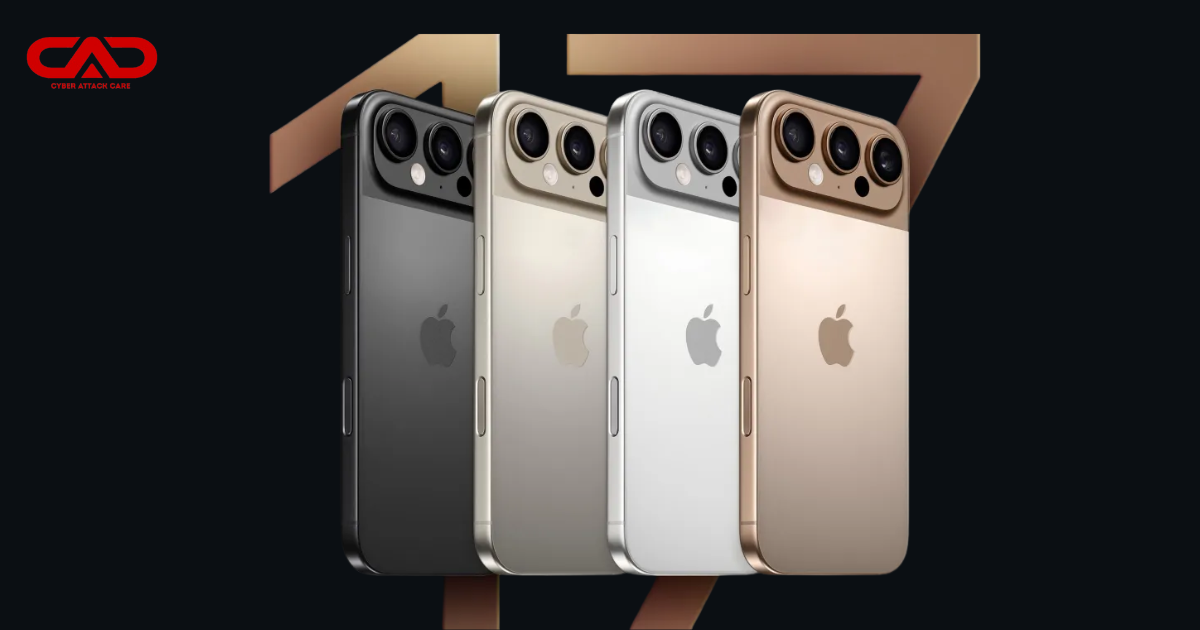
Apple is known for design excellence, and with the iPhone Air, it raises the bar once again. True to its name, the device is significantly thinner and lighter than its predecessors, making it ideal for users who value portability without compromising performance. The iPhone Air chassis is built with aerospace-grade aluminum, ensuring durability while keeping the overall weight minimal.
But design isn’t just about looks—it’s also about functionality and security. The iPhone Air integrates biometric sensors seamlessly into the display, offering next-gen Face ID and under-display Touch ID. These features ensure that your phone remains secure from unauthorized access. Even if stolen, the iPhone Air is designed to lock down critical data instantly, minimizing cyber risks.
Another important upgrade is its heat management system. With the rise of AI-based applications, devices require efficient cooling. The iPhone Air introduces a vapor cooling system, ensuring consistent performance. Combined with water and dust resistance, this smartphone is built for both everyday users and professionals handling sensitive data.
Overall, the iPhone Air’s design combines elegance, strength, and cybersecurity innovation—making it a true standout compared to the traditional iPhone 17 and Pro models.
Display & Performance – Power Meets Efficiency
The iPhone Air introduces a 6.5-inch ProMotion OLED display with a 120Hz refresh rate, designed for crisp visuals, smooth scrolling, and superior gaming experiences. Apple has integrated an anti-spy coating, reducing viewing angles to prevent shoulder-surfing, a common threat in crowded environments. This subtle but powerful cybersecurity feature keeps private data safe from prying eyes.
Performance is driven by the A19 Bionic chip, Apple’s most advanced processor yet. Built with AI acceleration, the iPhone Air can handle real-time threat detection, advanced machine learning, and next-gen augmented reality without draining excessive battery life. For cybersecurity-conscious users, this means faster malware detection and automatic blocking of malicious links.
Unlike traditional iPhones, the iPhone Air is optimized for multitasking. Whether you’re handling work emails, video editing, or managing cloud security dashboards, the performance remains seamless. Professionals in the U.S. cybersecurity industry will find this model particularly attractive because of its combination of power and safety.
In short, the iPhone Air’s display and performance go beyond entertainment—they’re built to enhance security, protect user privacy, and meet the demands of the modern digital world.
iOS 26 in iPhone Air – Security & AI Integration
One of the most defining features of the iPhone Air is the introduction of iOS 26, Apple’s smartest and most secure operating system yet. With cyberattacks on the rise, iOS 26 integrates machine learning at the core of its security architecture. The system automatically identifies phishing attempts, malicious downloads, and suspicious app behavior.
Another advancement is Secure Cloud Sync, which encrypts backups with device-based keys. Unlike traditional cloud storage, where servers hold partial access, iPhone Air ensures only the user can decrypt their data. This makes the iPhone Air highly appealing to privacy-conscious users in the U.S.
iOS 26 also includes AI Guardian, an AI-powered assistant that warns users about unsafe Wi-Fi connections, tracks unusual login attempts, and alerts when personal information is leaked online. This integration turns the iPhone Air into a real-time digital watchdog.
For professionals, businesses, and students who rely heavily on mobile devices, iOS 26 makes the iPhone Air the most secure iPhone ever released. The combination of AI and cybersecurity features in this software update makes it far more advanced than traditional iPhone 17 and Pro models.
iPhone Air vs iPhone 17 – What’s the Difference?
When comparing the iPhone Air to the iPhone 17, Apple clearly wants to offer two different experiences. The iPhone 17 focuses on traditional performance upgrades—better cameras, faster processors, and sleek visuals. Meanwhile, the iPhone Air emphasizes lightweight portability, advanced cybersecurity, and AI-powered intelligence.
The iPhone 17 is ideal for everyday users who want the latest iPhone upgrade. In contrast, the iPhone Air is built for professionals, businesses, and security-conscious individuals who deal with sensitive data. One major difference is in the weight and design—the iPhone Air is nearly 20% lighter, making it easier to carry without losing durability.
Another distinction lies in security. While the iPhone 17 Pro Max has traditional Face ID, the iPhone Air introduces dual biometric security (Face ID + under-display Touch ID) and enhanced anti-phishing AI. U.S. consumers who rely on secure mobile banking, online shopping, or remote work will find the iPhone Air’s extra layers of protection more valuable.
In short, the iPhone 17 series offers a premium upgrade, but the iPhone Air goes a step further, making it a future-ready device that bridges luxury, power, and built-in cybersecurity defense.
Cybersecurity Features in iPhone Air – Apple’s Strongest Yet
The most impressive aspect of the iPhone Air is its dedicated cybersecurity architecture. Apple has taken the increasing threat of ransomware, phishing, and spyware into account and embedded hardware-level encryption that ensures sensitive data is safe even if the phone is physically stolen.
One standout feature is Secure Enclave 2.0, a next-generation chip that isolates biometric and payment data from the main system. This means hackers cannot bypass authentication even through advanced exploits. Additionally, the iPhone Air integrates Quantum-Resistant Encryption, preparing it for future-proof security against quantum computing attacks.
For businesses, the iPhone Air offers Zero-Trust Networking—it verifies all network connections before allowing data transfer. This prevents man-in-the-middle attacks and ensures safe browsing on public Wi-Fi. AI-driven threat detection alerts also notify users of suspicious logins, ensuring real-time protection.
With rising cyberattacks in the U.S., these features make the iPhone Air not just a smartphone but a mobile cybersecurity hub. Unlike older models, it doesn’t only defend against today’s threats—it’s engineered to handle future attacks that haven’t even been invented yet.
iPhone Air Performance for Professionals & Businesses
Apple designed the iPhone Air with professionals and enterprise users in mind. In today’s remote-work culture, mobile devices are used to manage corporate data, conduct secure transactions, and communicate confidentially. The iPhone Air offers features that make it an essential tool for businesses.
Its A19 Bionic chip with AI acceleration enhances productivity apps like Microsoft Teams, Zoom, and Slack by providing smoother performance and better encryption of data transmissions. The lightweight build makes it ideal for professionals on the move, whether they’re working in offices, airports, or coffee shops.
Security-wise, the iPhone Air integrates business-level VPN support, encrypted file-sharing, and multi-user workspace environments. This allows employees to keep personal and corporate data completely separate—essential for compliance with cybersecurity regulations in the U.S.
For small businesses, freelancers, and corporate executives, the iPhone Air represents more than a gadget. It’s a secure productivity powerhouse that merges Apple’s luxury design with enterprise-grade cybersecurity. This positions it as a must-have for U.S. professionals who cannot compromise on either efficiency or security.
iPhone Air vs iPhone 17 Pro Max – Which One Should You Buy?
When it comes to Apple’s lineup, many U.S. buyers will ask: should I go for the iPhone Air or the iPhone 17 Pro Max? The answer depends on what you value more—raw performance or cybersecurity-driven innovation.
The iPhone 17 Pro Max shines with its triple-lens camera system, larger display, and industry-leading gaming performance. It’s the go-to choice for content creators, gamers, and those who want the most premium traditional iPhone experience.
On the other hand, the iPhone Air targets security-conscious users and professionals. Its dual biometric authentication, quantum-resistant encryption, and AI-driven security alerts make it far more future-proof for cybersecurity risks. While the Pro Max is heavier and bulkier, the iPhone Air’s lightweight design makes it more comfortable for all-day use.
Price is another deciding factor. The iPhone 17 Pro Max commands a higher price tag, while the iPhone Air is positioned as a premium yet slightly more affordable option. If your priority is entertainment and media, go with the Pro Max. But if cybersecurity, mobility, and business use matter more, the iPhone Air is the smarter investment.
The Role of AI in iPhone Air Security
Artificial Intelligence plays a central role in how the iPhone Air protects users from cybercrime. Unlike previous iPhones that relied solely on system firewalls, the iPhone Air uses AI-driven threat monitoring that learns from global attack patterns and adapts in real time.
For instance, if hackers attempt a phishing attack through email or text, the iPhone Air’s AI scans the message, detects malicious links, and warns the user instantly. Similarly, if there’s a brute-force login attempt, the phone automatically triggers account lockdown protocols.
Another AI feature is behavioral anomaly detection. The phone learns your typical usage patterns—such as login locations and browsing habits—and alerts you if something unusual occurs. This is particularly important for Americans who frequently use mobile banking, stock trading apps, or crypto wallets.
AI in the iPhone Air also enhances secure browsing, app verification, and payment authentication. In a world where hackers are using AI themselves to create more sophisticated attacks, Apple’s move to integrate defensive AI ensures the iPhone Air stays one step ahead.
iPhone Air Price & Availability in the U.S.
Pricing is always a key factor when choosing between Apple devices. According to industry leaks and Apple’s release strategy, the iPhone Air price in the U.S. is expected to start slightly lower than the iPhone 17 Pro Max, making it an attractive option for both individual users and businesses.
The entry-level iPhone Air is expected to cost around $999, while higher storage versions may go up to $1,399. This positions it between the iPhone 17 Pro and Pro Max in Apple’s pricing hierarchy. The goal is to make it premium yet accessible for professionals who prioritize cybersecurity.
Availability will likely follow Apple’s usual pattern—first launching in the U.S., U.K., and key European and Asian markets before expanding globally. Pre-orders are expected to begin immediately after the Apple Event 2025, with shipping starting two weeks later.
For U.S. buyers, the iPhone Air will be available through Apple Stores, major carriers (AT&T, Verizon, T-Mobile), and online Apple channels. Given its strong focus on cybersecurity and business features, Apple may also offer enterprise bundles with MacBook Airs, AirTags, and iCloud+ security plans.
The iPhone Air is clearly positioned as not just another smartphone, but as a secure, professional-grade device that balances cost with next-level security innovation.
iPhone Air Integration with the Apple Ecosystem
One of the biggest strengths of the iPhone Air is how seamlessly it integrates with the broader Apple ecosystem. For U.S. users who already own a MacBook Air, Apple Watch Ultra 3, or AirPods Pro 3, the iPhone Air offers unmatched synergy.
For instance, the iPhone Air automatically syncs encrypted data across devices using iCloud+ with enhanced privacy controls. This means your emails, documents, and even AirTag tracking data are fully protected from unauthorized access. The AI-powered handoff feature allows you to start a secure task on your iPhone Air—like editing a sensitive document—and continue instantly on your MacBook Air without worrying about breaches.
Cybersecurity also extends across devices. If suspicious activity is detected on your Apple ID, the iPhone Air sends instant alerts to your Apple Watch or MacBook, ensuring you always stay ahead of threats. Combined with FaceTime encryption, Apple Pay safeguards, and AirPods adaptive authentication, the iPhone Air cements itself as the cybersecurity hub of Apple’s hardware lineup.
In essence, the iPhone Air doesn’t stand alone—it acts as a secure gateway to the entire Apple ecosystem, making life easier, safer, and more connected for professionals and families in the U.S.
The Future of iPhone Air & Cybersecurity
The iPhone Air isn’t just Apple’s next step in smartphone design—it represents a paradigm shift in mobile cybersecurity. As hackers evolve and threats become more sophisticated, Apple is clearly betting on a future where AI, biometrics, and quantum encryption define security.
Looking ahead, the iPhone Air could become the blueprint for business-grade smartphones. Its lightweight design, advanced encryption, and integration with Apple’s ecosystem position it as a tool not just for casual users, but also for government officials, medical professionals, and corporate executives who handle sensitive data daily.
In the U.S., where cybercrime is one of the fastest-growing threats, the iPhone Air is Apple’s answer to rising consumer demand for both innovation and security. It offers peace of mind in a world where personal data, financial assets, and even national security can be at risk.
The iPhone Air is more than a phone—it’s a cybersecurity shield in your pocket, showing that Apple is fully committed to protecting its users in 2025 and beyond.
FAQs About iPhone Air
What is iPhone Air?
iPhone Air is Apple’s rumored ultrathin and lightweight iPhone model expected in 2025. It is designed with portability in mind while integrating advanced AI and cybersecurity features.
What is iPhone Air 17?
iPhone Air 17 is the expected official name for Apple’s upcoming lightweight iPhone in the iPhone 17 lineup, focusing on performance, AI integration, and next-level security.
What is 17 Air?
17 Air is another way users refer to iPhone Air 17, which emphasizes its slim design and unique placement in the iPhone 17 family.
What is iPhone 17?
iPhone 17 is Apple’s next-generation flagship device, featuring iOS 26, AI-driven tools, stronger hardware, and enhanced data protection.
What is iPhone 17 Air?
iPhone 17 Air refers to the lighter, more portable version of the iPhone 17 series, designed for users who prefer style and mobility with top-notch cybersecurity.
What is Apple iPhone Air?
Apple iPhone Air is a rebranding of Apple’s iPhone line, introducing a thinner design paired with AI-based features and enterprise-grade cybersecurity.
What is Apple Air Phone?
Apple Air Phone is another term for iPhone Air, often used to describe Apple’s first attempt at merging sleek “Air” branding with smartphone technology.
What is Apple?
Apple is the global technology company behind the iPhone, MacBook, iPad, Apple Watch, and other devices, known for innovation and strong cybersecurity.
What is Apple Air?
Apple Air can refer to multiple products, including MacBook Air, AirPods, and now the iPhone Air, all highlighting lightweight, high-performance design.
What is iPhone 17 Pro?
iPhone 17 Pro is the professional-grade version of the iPhone 17 series, offering upgraded performance, camera systems, and AI-powered software.
What is the New iPhone?
The new iPhone refers to the upcoming iPhone 17 series, including the Air, Pro, and Pro Max models, launching in 2025.
What is iPhone 17 Pro Max?
iPhone 17 Pro Max is Apple’s top-tier device in the iPhone 17 series, with the largest display, best cameras, and enhanced enterprise-level security.
What is MacBook Air?
MacBook Air is Apple’s ultra-lightweight laptop, widely popular for students and professionals, and part of the same “Air” branding as the iPhone Air.
What is MacBook?
MacBook is Apple’s laptop family, including MacBook Air and MacBook Pro, offering performance options for different user needs.
What is Apple iPhone Air?
Apple iPhone Air refers specifically to the new lightweight iPhone model, expected to bring innovative AI tools and enhanced security.
What is AirTag?
AirTag is Apple’s Bluetooth-based tracking device that helps users locate lost items and integrates with iPhone Air’s ecosystem.
What is iPhone 17 Pro Max?
iPhone 17 Pro Max is the premium flagship in the iPhone 17 family, ideal for professionals, creators, and those who need top performance.
What is 17 Pro Max?
17 Pro Max is a short way users refer to the iPhone 17 Pro Max, Apple’s largest and most advanced model in the 2025 lineup.
What is the New iPhone?
The new iPhone in 2025 is the iPhone 17 series, which introduces iPhone Air, iPhone 17 Pro, and iPhone 17 Pro Max.
What is iPhone 17 Pro Max Price?
The price of iPhone 17 Pro Max will be the highest in the lineup, likely starting above $1,299 due to its premium features.
What is iPhone 17 Air Weight?
iPhone 17 Air weight is expected to be much lighter than other models, appealing to users who prioritize portability.
What is iOS 26?
iOS 26 is the operating system launching with iPhone 17, bringing AI security, improved multitasking, and enhanced privacy features.
What are AirPods Pro 3?
AirPods Pro 3 are Apple’s next-gen wireless earbuds, expected to debut with the iPhone Air, offering upgraded sound and AI features.
What is Apple Watch Ultra 3?
Apple Watch Ultra 3 is Apple’s rugged smartwatch version with stronger durability, health tracking, and full integration with iPhone Air.
What is Apple Event 2025?
Apple Event 2025 is where the iPhone 17 series, including iPhone Air, iOS 26, and new accessories like AirPods Pro 3, will be unveiled.
What is Apple Stock?
Apple Stock refers to the publicly traded shares of Apple Inc., which often rise during major product launches like the iPhone Air.
What is iPhone Air vs 17 Pro?
iPhone Air vs 17 Pro compares portability and advanced security (Air) against raw performance and pro-level features (17 Pro).
What is iPhone 17 Pro Max?
iPhone 17 Pro Max remains Apple’s most advanced iPhone, built for power users who need maximum battery, cameras, and performance.
What is iPhone 17 Air?
iPhone 17 Air focuses on being slimmer and lighter, making it perfect for everyday users who want performance without extra bulk.
What is New AirPods?
New AirPods are Apple’s upcoming wireless earbuds designed to pair seamlessly with iPhone Air and iPhone 17 series.
What is iPhone Air 17?
iPhone Air 17 is the model expected to combine sleek design, AI security, and lightweight build under Apple’s new branding.
What is iPhone 17?
iPhone 17 is Apple’s flagship series for 2025, delivering innovations in AI, cloud integration, and privacy-focused features.
What is 17 Air?
17 Air is shorthand for iPhone Air, highlighting Apple’s new direction of ultra-portable smartphones.
What is the New iPhone 17?
The new iPhone 17 represents Apple’s 2025 release, including multiple models like Air, Pro, and Pro Max.
What is Apple iPhone 17?
Apple iPhone 17 is the next generation of Apple smartphones, blending hardware improvements with AI-powered cybersecurity.
What is Apple iPhone 17 Pro?
Apple iPhone 17 Pro is part of the iPhone 17 family, built for creators and professionals needing more performance.
What is Apple iPhone 17 Pro Max?
Apple iPhone 17 Pro Max is the ultimate powerhouse in Apple’s 2025 lineup, offering the most storage, cameras, and security layers.
What is AirPods Pro 3?
AirPods Pro 3 are Apple’s redesigned wireless earbuds, delivering noise cancellation, better AI voice features, and seamless pairing with iPhone Air.
What is iPhone 17 Pro Max?
iPhone 17 Pro Max is the top-tier model in 2025, packed with premium features for professionals and tech enthusiasts.
What is iPhone 17 Air?
iPhone 17 Air is the lighter alternative in the lineup, balancing design elegance and security with long battery life.
What is iPhone 17?
iPhone 17 is the centerpiece of Apple’s 2025 lineup, offering advanced AI, iOS 26, and stronger encryption.
What is New iPhone 17?
New iPhone 17 refers to Apple’s 2025 release cycle, which introduces iPhone Air, iPhone 17 Pro, and iPhone 17 Pro Max.
Pingback: What is a VPN? How It Works, Types, and Benefits -